

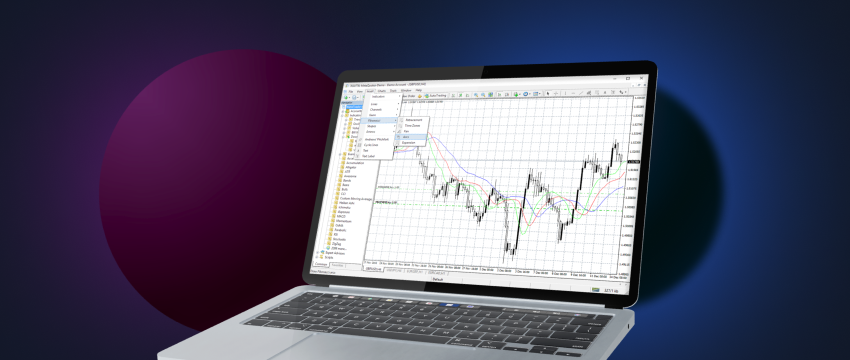
Navigating global currency markets requires more than just access to exchange rates. Experienced Forex Traders combine analytical techniques, disciplined risk management, and an understanding of macroeconomic dynamics to identify opportunities and protect capital. This article explores the strategies, tools, and mindset that successful traders employ to consistently operate in fast-moving currency markets.
Understanding market fundamentals
Successful traders begin with a deep comprehension of macroeconomic and geopolitical factors that influence currency values. Key drivers include interest rate differentials, inflation trends, employment data, trade balances, and political stability. Understanding how central bank policies and government actions impact currency strength allows traders to anticipate broad market movements rather than react only to price fluctuations.
Experienced traders also monitor global economic events and news releases, incorporating their potential effects into trade planning. For example, unexpected changes in interest rate expectations can shift sentiment across multiple currency pairs simultaneously. Traders who analyze these fundamental drivers alongside historical trends gain an edge in anticipating volatility.
Technical analysis techniques
While fundamentals provide the broader context, technical analysis helps traders identify entry and exit points. Common approaches include trend analysis, chart patterns, and momentum indicators. Trend analysis involves identifying the direction and strength of price movements over multiple timeframes to align trades with prevailing market momentum.
Chart patterns, such as triangles, head-and-shoulders, and channels, offer visual cues for potential trend continuations or reversals. Momentum indicators, including the Relative Strength Index (RSI), Moving Average Convergence Divergence (MACD), and stochastic oscillators, measure the pace of price changes and help signal overbought or oversold conditions. Experienced traders often combine multiple indicators to filter signals and avoid false entries.
Risk management and position sizing
Controlling risk is fundamental to long-term success. Experienced traders set stop-loss levels based on technical support and resistance zones or volatility measures. Proper position sizing ensures that no single trade can materially impact overall capital.
Traders frequently use a risk-to-reward framework, assessing potential gains against potential losses before entering a trade. This approach encourages disciplined decision-making and reduces emotional trading. Dynamic adjustments, such as scaling in or out of positions, help manage exposure while reacting to evolving market conditions.
Market timing and session strategies
Forex markets operate 24 hours a day, divided into overlapping trading sessions: Asia, Europe, and North America. Experienced traders recognize that volatility and liquidity vary across sessions. For instance, major currency pairs often experience significant movement during the London and New York overlaps, while Asian sessions may be quieter.
Timing trades to coincide with periods of higher liquidity enhances execution quality and reduces slippage. Additionally, monitoring session-specific trends, such as recurring price patterns during certain times of day, helps traders anticipate likely market behavior and optimize entry points.
Sentiment analysis
Market sentiment plays a crucial role in short-term price movements. Traders assess sentiment through tools such as the Commitment of Traders (COT) reports, positioning data, and economic surveys. Monitoring whether traders are predominantly long or short on certain currencies can signal potential reversals or continuation trends.
News and social media trends also contribute to sentiment analysis. Experienced traders observe how market participants react to global developments, integrating sentiment indicators with technical and fundamental analysis to refine strategy decisions.
Diversification and portfolio approach
Rather than focusing on a single currency pair, seasoned traders diversify across multiple pairs to spread risk. Diversification allows traders to balance exposure to different economies, interest rates, and geopolitical risks. For example, combining major pairs with crosses or emerging market currencies can reduce reliance on a single economic factor.
Some traders also include correlated instruments such as commodities, indices, or bonds to hedge currency exposure. Understanding correlations and how assets interact in different market conditions helps in managing portfolio-level risk effectively.
Utilizing advanced charting and analytical tools
Experienced traders leverage sophisticated charting tools to gain deeper market insights. Multi-timeframe analysis, which involves examining the same currency pair across short, medium, and long-term charts, helps identify alignment between trends and potential entry points.
Indicators such as Bollinger Bands, Fibonacci retracements, and pivot points allow traders to gauge volatility and predict potential price targets. Backtesting strategies using historical data provides evidence of effectiveness and identifies weaknesses before deploying trades in live markets.
Automated strategies and Expert Advisors
Automation is increasingly used by seasoned traders to reduce emotional decision-making and maintain consistency. Automated strategies, often implemented through trading platforms, execute predefined rules for entries, exits, and risk management.
Backtesting automated strategies over historical market data ensures reliability and highlights potential performance under varying conditions. Experienced traders may run multiple strategies simultaneously, monitoring results and making adjustments as market dynamics change. Automation also allows round-the-clock trading without requiring constant manual intervention.
Behavioral discipline and psychological resilience
One key differentiator between successful and inexperienced traders is psychological discipline. Experienced traders stick to pre-defined plans, avoid chasing losses, and resist impulsive trading decisions. They maintain a calm mindset even during periods of high volatility or unexpected market events.
Journaling trades and reviewing past performance helps traders learn from mistakes and refine strategies. This practice reinforces disciplined behavior and builds confidence, allowing traders to execute plans consistently rather than reacting emotionally to short-term market movements.
Adapting to market volatility
Global currency markets are inherently volatile. Skilled traders develop strategies to navigate fluctuations effectively, such as adjusting position sizes, widening or tightening stop-loss levels, or switching to less volatile instruments during turbulent periods.
Traders monitor market correlations and volatility indices to anticipate periods of increased movement. By aligning trade structures with current conditions, they preserve capital during uncertainty and seize opportunities when volatility presents profitable setups.
Continuous learning and strategy refinement
Currency markets evolve constantly, influenced by economic cycles, political events, and technological changes. Experienced traders invest in ongoing education, studying new analysis techniques, market behavior, and trading technologies.
Regularly reviewing strategies, analyzing performance metrics, and testing new approaches allow traders to adapt and improve. Combining structured learning with practical market experience builds intuition and sharpens decision-making over time.
Networking and information sources
Successful traders often leverage multiple information sources to enhance decision-making. Economic news feeds, market commentary, trade reports, and financial publications provide context and insight.
Networking with other traders through forums, webinars, and professional communities allows exchange of ideas, strategies, and lessons learned. While individual judgment remains essential, shared experiences can reveal patterns or tools that improve market navigation.
Scenario planning and contingency strategies
Experienced traders prepare for different market scenarios, including sudden political developments, economic shocks, or liquidity changes. Contingency planning involves defining exit strategies, adjusting risk levels, and having ready alternatives when market conditions deviate from expectations.
Simulating adverse scenarios and stress-testing strategies helps identify weaknesses and ensures preparedness. Traders with clear contingency plans can react quickly and protect capital when markets behave unexpectedly.
Technology and infrastructure optimization
Efficient trading requires reliable technology infrastructure. Experienced traders use stable internet connections, redundant systems, and backup devices to maintain continuity. Low-latency execution and access to real-time data are essential for strategies that rely on rapid price movements.
Automation, alerts, and monitoring software help maintain oversight across multiple positions and instruments. Optimizing the technical setup reduces operational risk and ensures that strategy execution is consistent, even during periods of market stress.
Integrating multiple analytical approaches
Rather than relying on a single method, successful traders combine fundamental, technical, sentiment, and behavioral analysis. For example, a trader might identify a trend through technical charts, confirm it with fundamental news, and validate entry timing with sentiment indicators.
This multi-layered approach improves confidence in trade decisions and reduces reliance on any single signal. Experienced traders develop a systematic framework to integrate insights, weigh evidence, and act decisively based on converging information.
Continuous performance measurement
Tracking trading performance is a critical practice. Detailed metrics, such as win/loss ratios, average gains and losses, drawdowns, and trade duration, allow traders to assess the effectiveness of strategies.
Regular performance reviews identify recurring mistakes, strengths, and areas for improvement. By analyzing patterns in both successful and losing trades, traders refine tactics and adapt to evolving market conditions.
Conclusion
Experienced Forex traders navigate global currency markets through a combination of analytical rigor, disciplined risk management, technological efficiency, and psychological resilience. Mastery involves integrating fundamental, technical, and sentiment analysis, applying precise execution strategies, and continuously refining approaches.
By understanding market drivers, maintaining structured workflows, and adopting disciplined trading practices, traders can identify opportunities, manage risk, and operate efficiently in dynamic global currency markets. Continuous learning, performance tracking, and scenario planning ensure that traders remain adaptive and prepared, allowing long-term success in Forex trading.
This systematic approach demonstrates that skillful market navigation relies on preparation, analysis, and discipline rather than reliance on fleeting market conditions or speculative tactics.
